
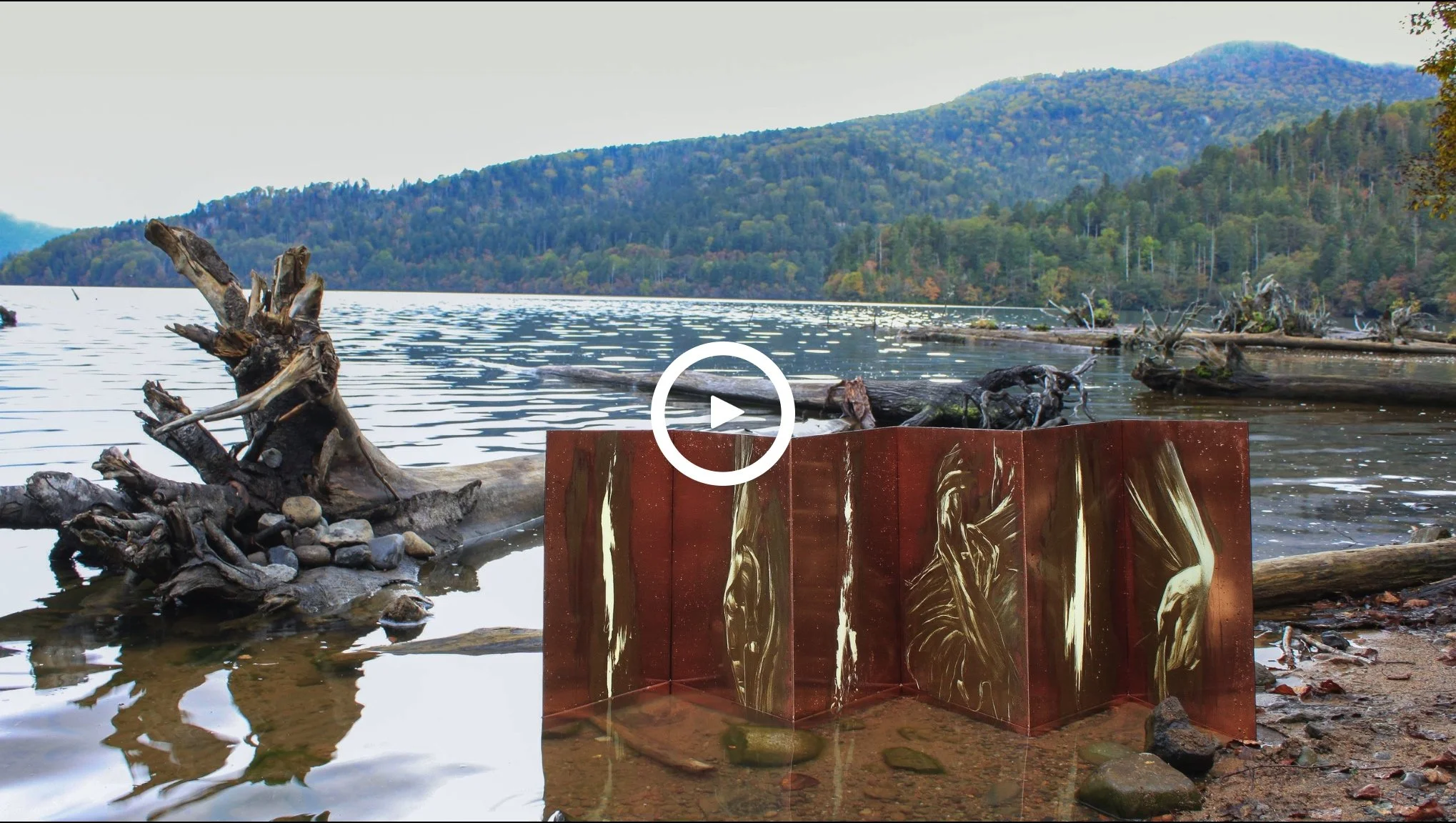
The above project video documents an exploration in mark-making using Japan’s environment to enhance Gerard’s artistic process.
Hokkaido | J a p a n
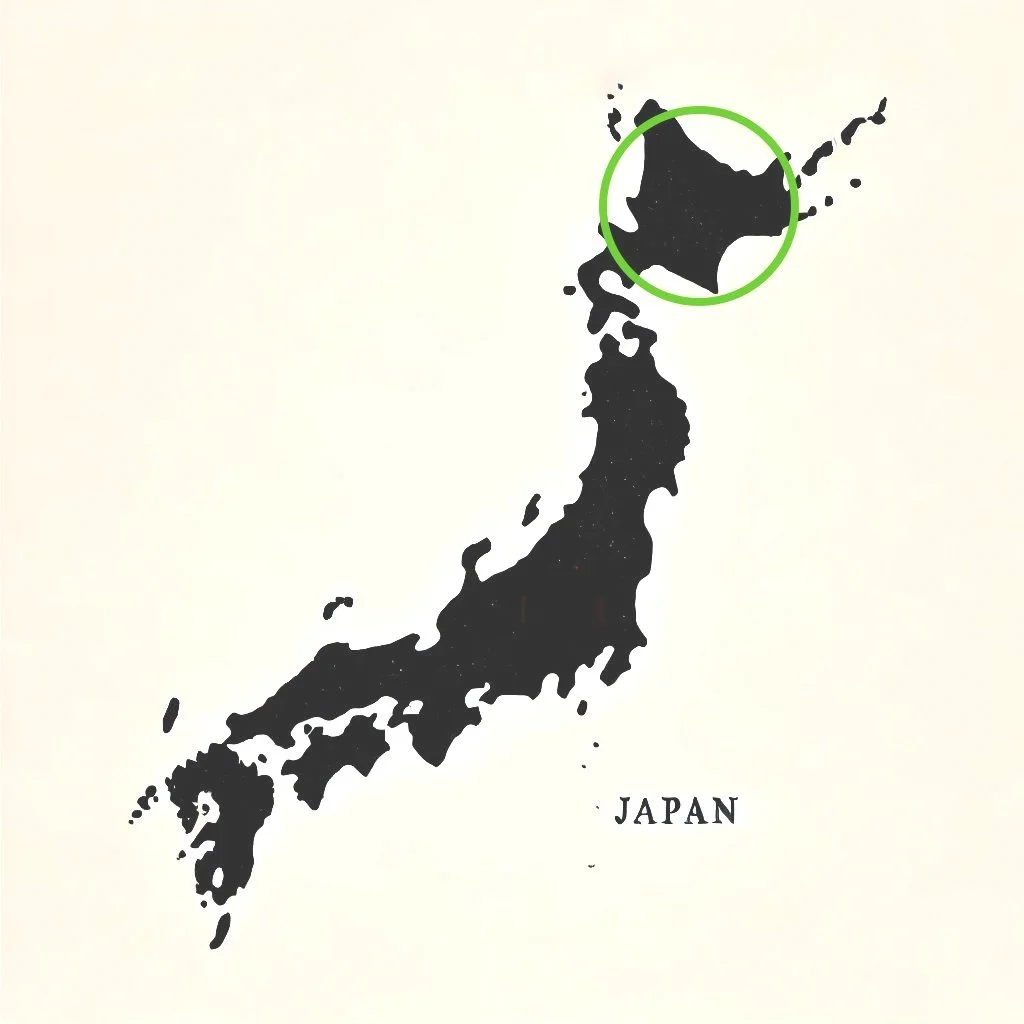

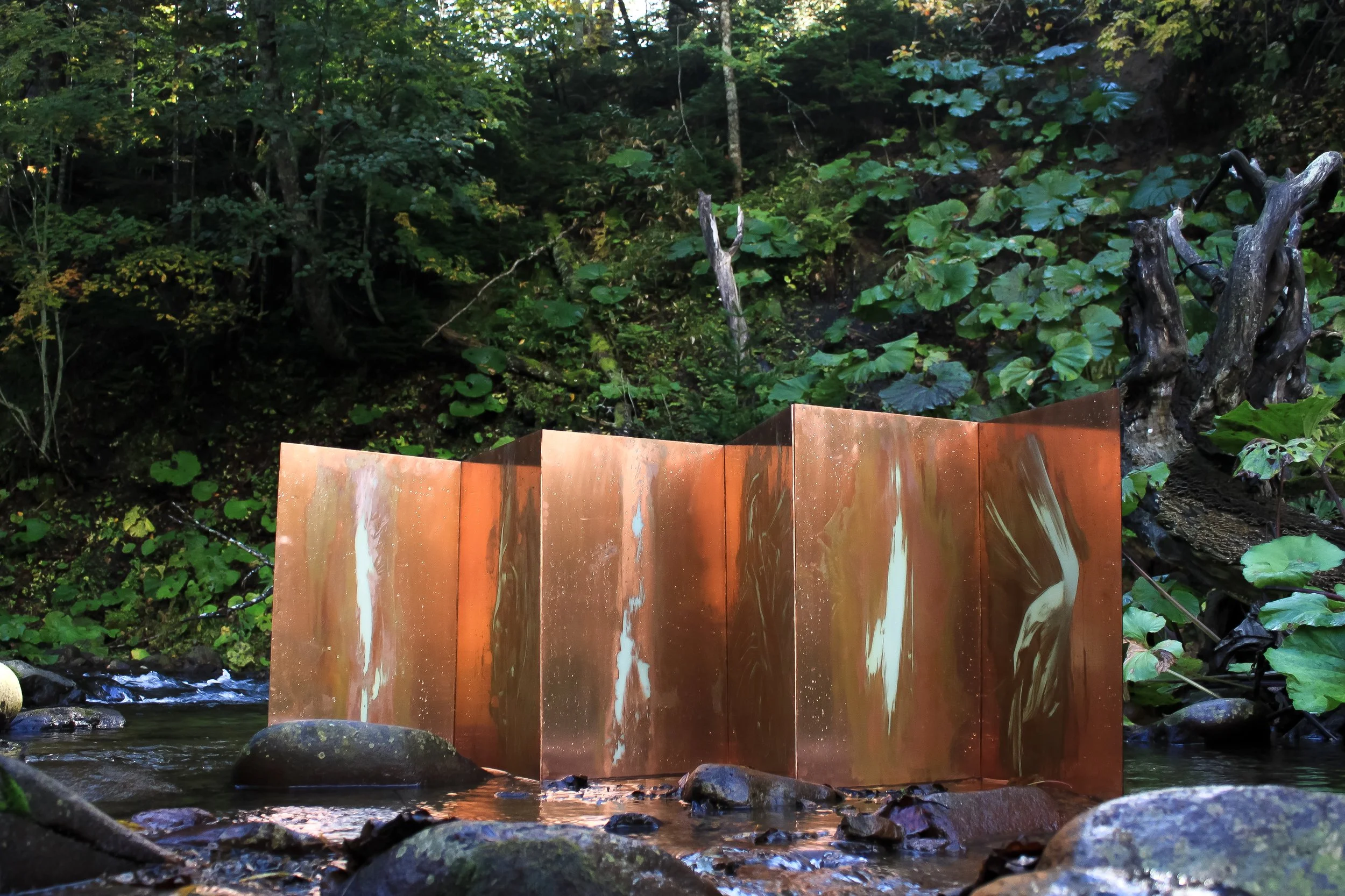
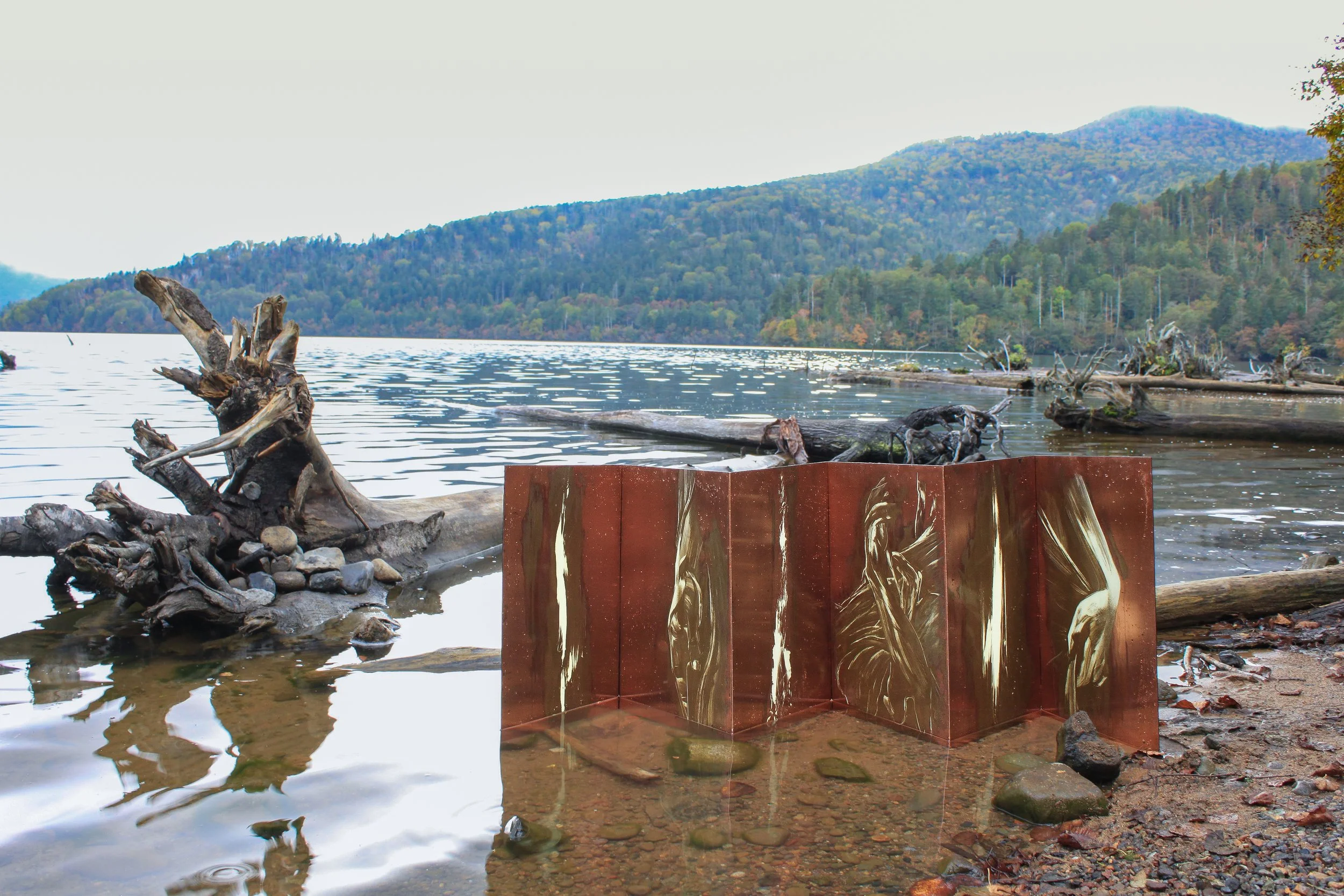
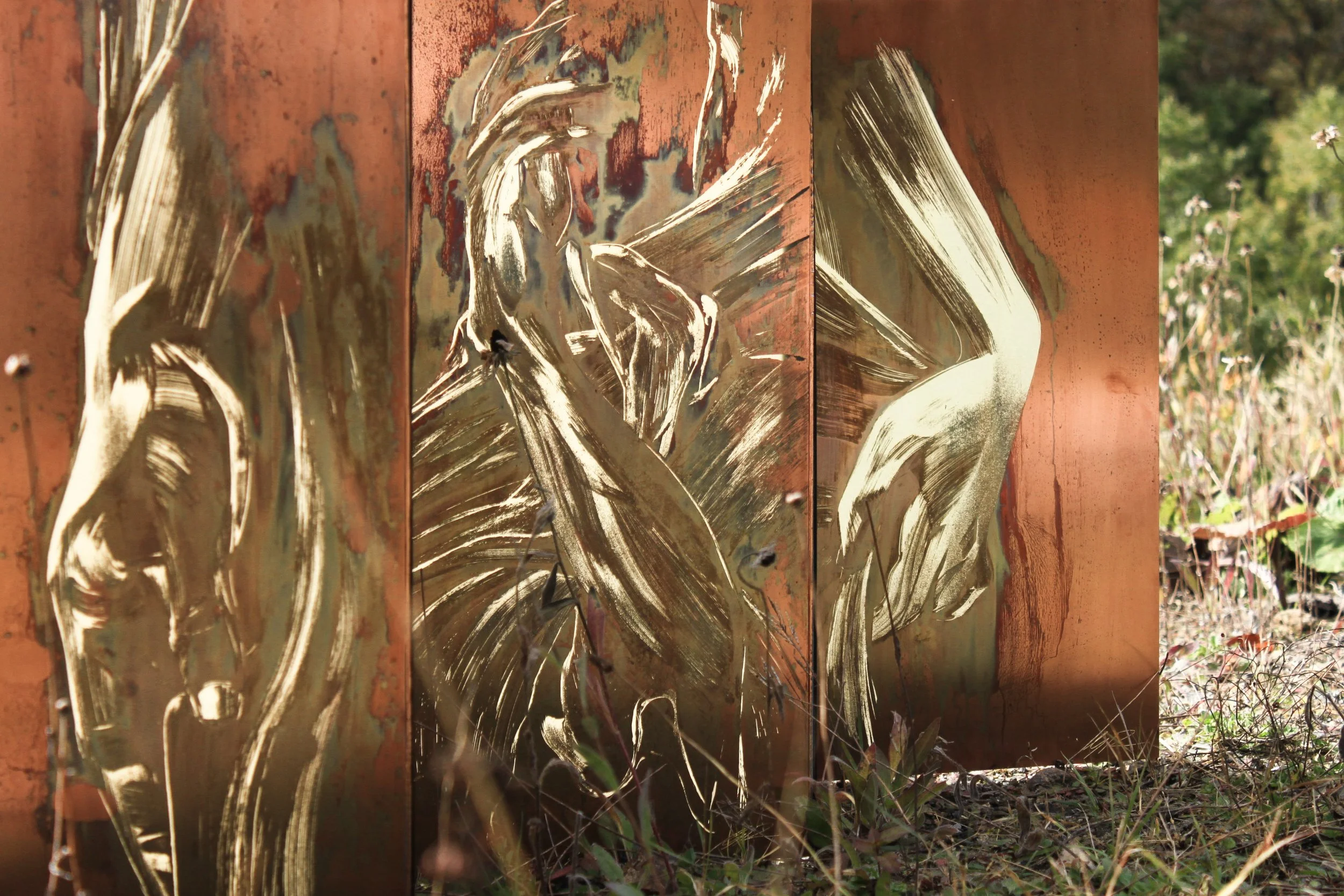
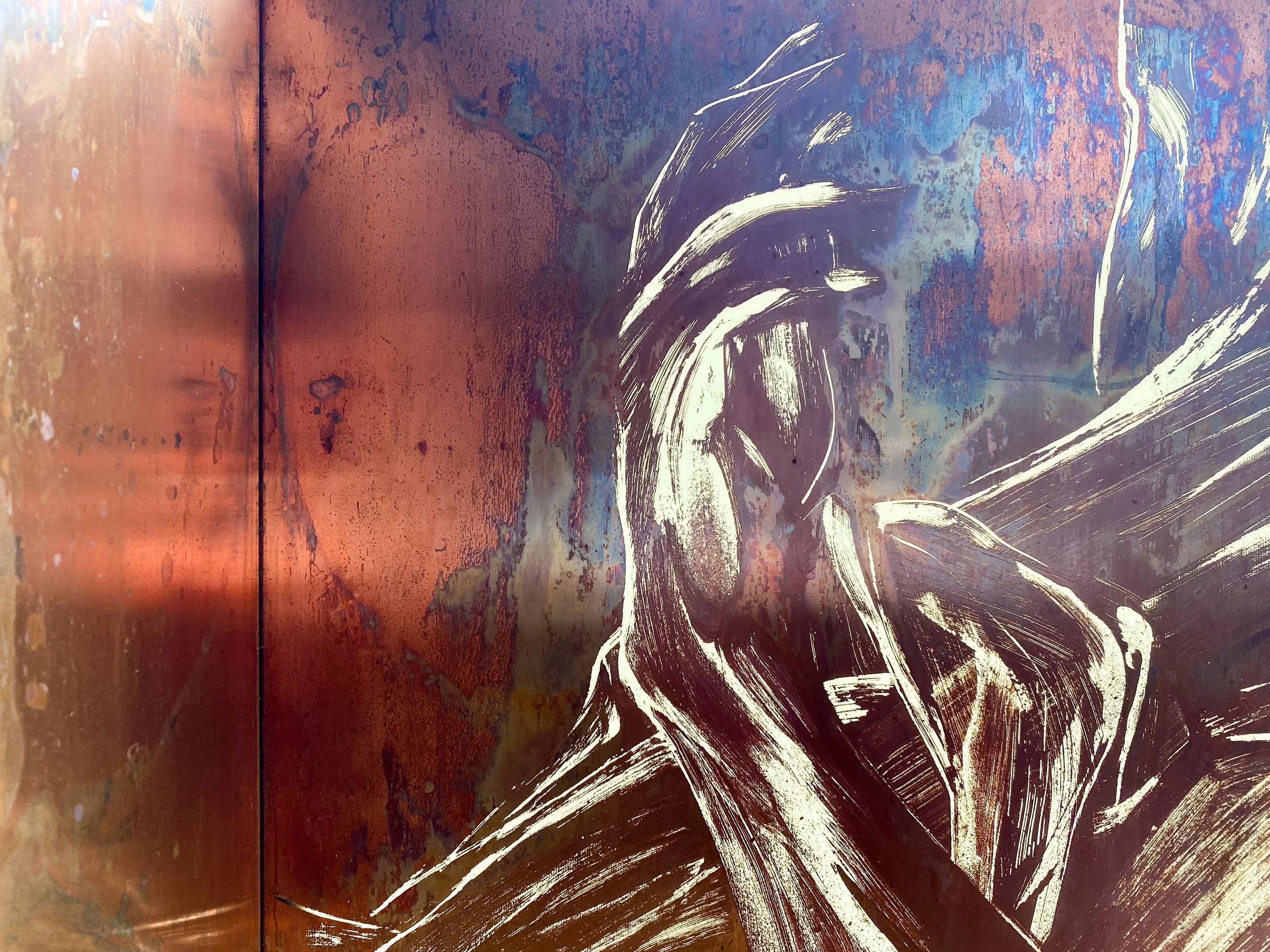
Orihon is an art project that took place in Hokkaido, Japan, in 2024. This project draws on the unique environmental tapestry of Hokkaido, where Gerard explores how volcanic, mineral- and sulphur-rich waters react with his artwork by allowing these natural elements to influence the raw, freshly polished copper artwork. The results from the process reveal new and unique textures and hues, underscoring the relationship between nature, material, time, and place.

“I think it’s valuable to add chaos to art, to chase imperfection, because thats when we discover something new.”
— Gerard Russo







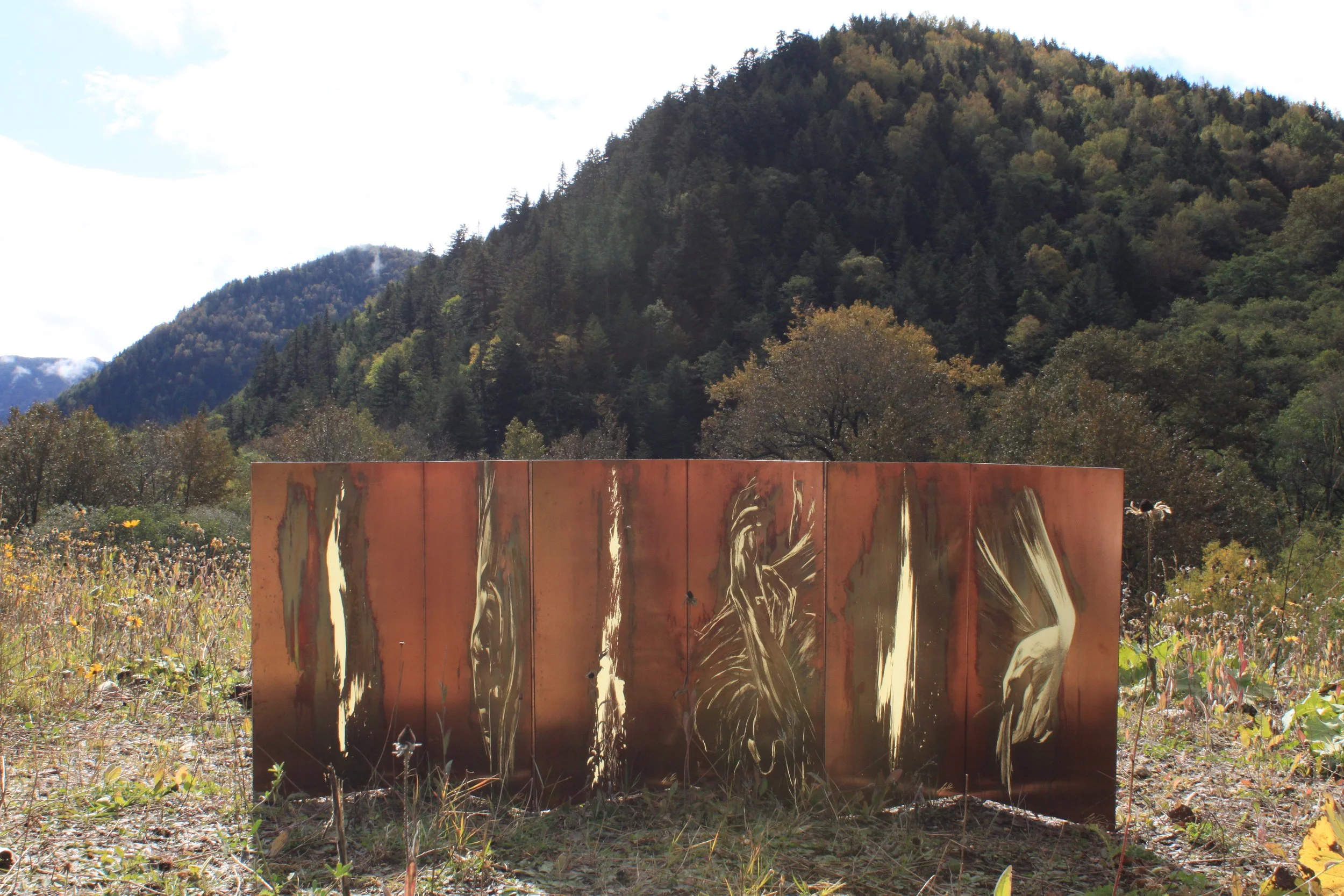
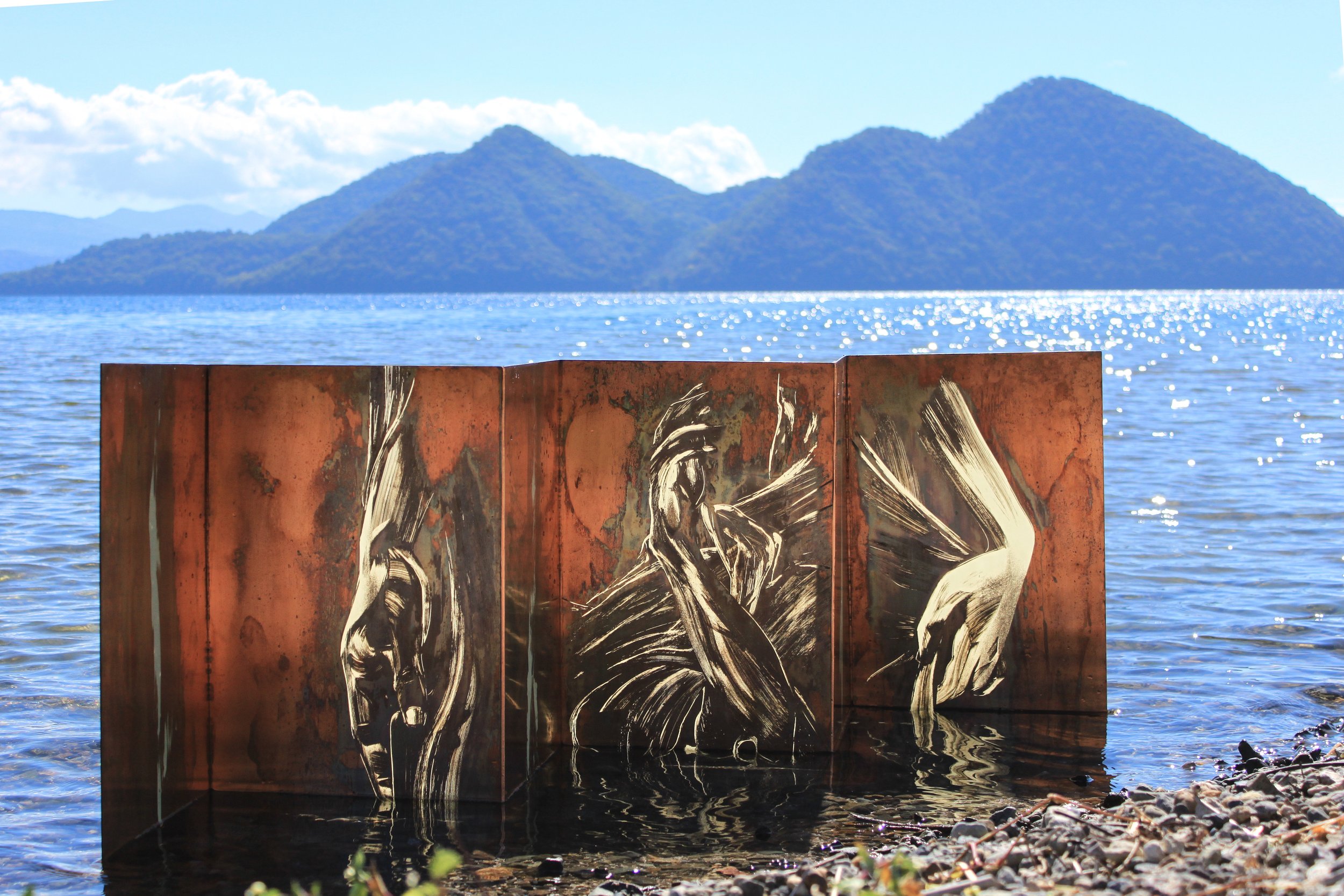
Orihon (折本)
noun
ORR-i-hon
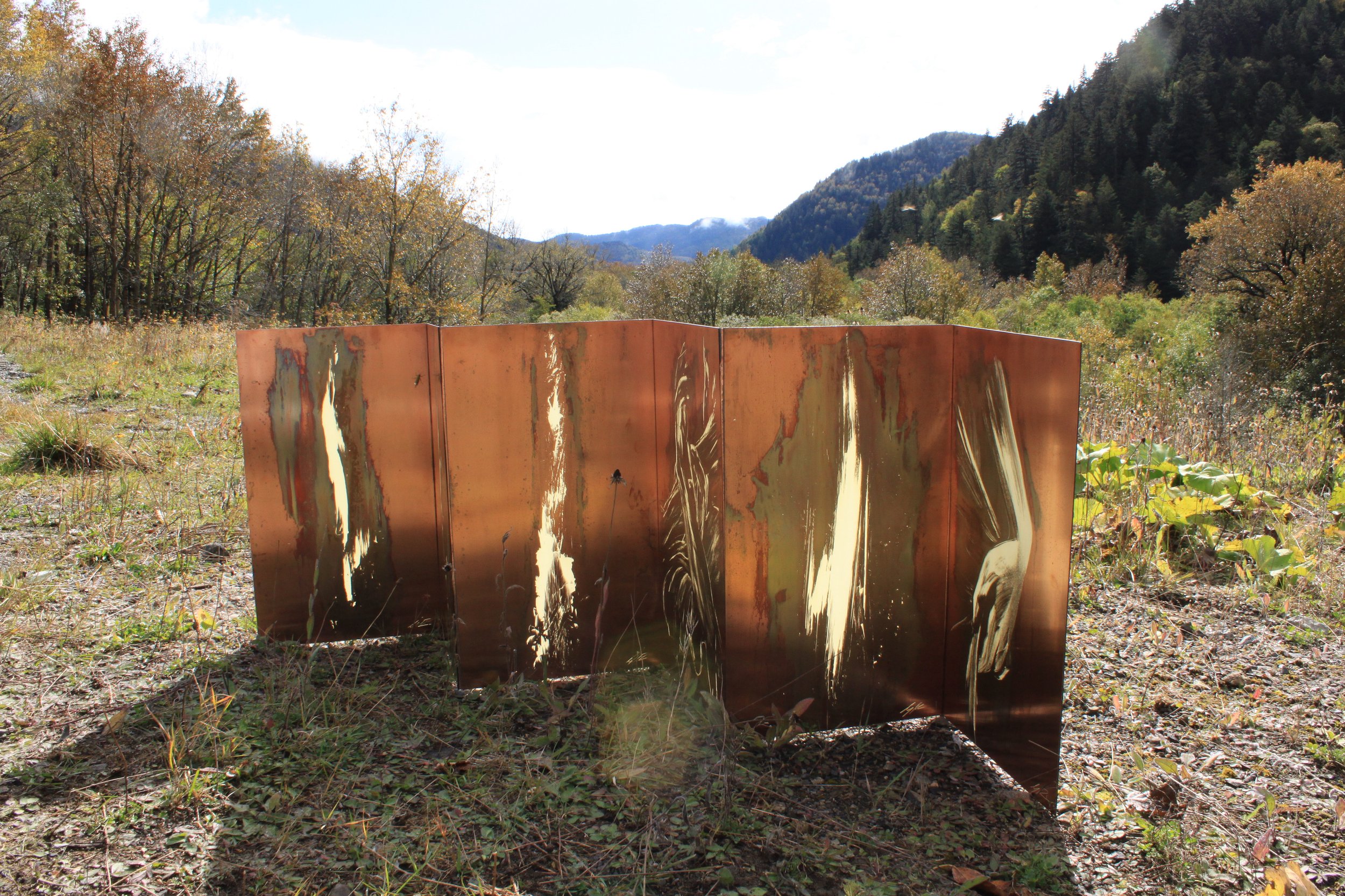
Orihon is a style of Japanese codex | a precursor to modern books | with an accordion-folded structure.
“The works folding form evolved naturally for practical reasons. Initially I didn’t realise the folding methods historical significance in Japan. ‘Orihon’ suited the project perfectly, not only for its book-like structure but also for its connection to ‘true nature’. It all came together quite serendipitously.”
Translation:
折本, or "folded book"
Usage and Cultural Significance: In Japanese, the kanji 本 (hon) conveys meanings of ‘book’, ‘origin’, and ‘true nature’. This term resonates with themes of essence and authenticity. In the context of this project, which incorporates natural elements and a folding structure marked by natural environments, it mirrors the gradual revelation of nature’s inherent truths.
ARTIST STATEMENT TRANSCRIPT: “It was time to take my art for a walk. Recently, I used my travels to expand my art process. I thought I might try to lock in a moment or two; like pressing a leaf in a book. My work has become a meeting place of time, gravity, matter, awareness. Driven by the exploration of materials, mark making and light, I aim to create work that evokes a quiet power through subtle narratives and grace.
I wanted to see my work in different environments, beautiful places. At the same time, I aimed to use these environments as part of my process to oxidise the metal. I visited places of water mostly, from rivers to lakes & hot onsen water seeping from cracks in the earth. I’d arrive at each location and unfold the Orihon, wet it, dry it and fold it up again. It was rinse and repeat. I wanted to see how the natural minerals and sulphuric springs might influence the copper, I wanted to see what each environment would do. I think it’s really valuable to add chaos to art, to chase imperfection, because that’s when we discover something new.
My Orihon project has taught me new things, it’s pushed my practice towards growth. I also created marks I wouldn’t have created anywhere else, marks that place the work in time and space. It brought my work more into the world, even though at the time there was barely anyone to see it.
I left one mark behind.”
Thanks to:
Meg and Ben for the stay.
Elizabeth for the artventures.
Gerard respectfully acknowledges the rich cultural heritage and craftsmanship of the Ainu people, who are indigenous to Hokkaido, also known as Moshiri, meaning ‘Land of the Ainu’.